Abuse & trauma-informed training
& programme delivery

Training for organisations

Look beneath behaviour. Respond with curiosity, not blame. Build safer, more intentional practice.

Practical, abuse and trauma-informed training and programme delivery for teams who encounter people affected by abuse and trauma, grounded in lived experience and delivered with care.

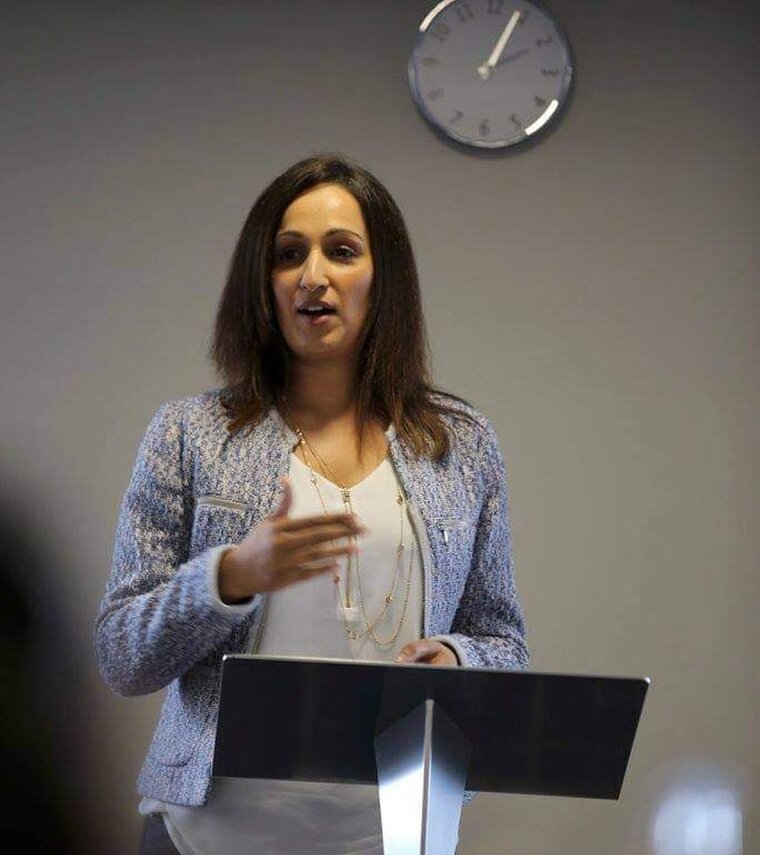
Raj Holness delivering training

Why this training

Delivered by someone
who has lived it

Frontline staff and volunteers regularly encounter people affected by abuse and trauma, and some participants may also bring their own lived experience into the room. Many trauma-awareness sessions explain the theory. This training adds lived understanding and practical application, helping teams connect what they know with how they respond in real situations. It looks beneath visible behaviour, questions assumptions, and gives teams a shared, memorable way to respond more safely and within their role.

5 years

running a survivor programme, Building From Broken Pieces

TEDx & Lords

speaking experience across national and community platforms

Non-clinical

trauma-informed, within clear professional scope

Ways to work together

Four ways to bring
this work to your organisation

01

Abuse & Trauma-Informed Practice Training

Half day or full day · The core organisational programme

For frontline staff and volunteers who encounter people affected by abuse and trauma but are not specialist practitioners: housing officers, student welfare teams, pastoral teams, council customer services, charity volunteers, HR and line managers. Your team will know what to say in the first sixty seconds of a disclosure, what not to say, where their role ends, and how to look after themselves afterwards.

Half day, Responding Well: what abuse and trauma do to how someone thinks, speaks and behaves; why survivors minimise, delay or return; handling the first sixty seconds of a disclosure; what not to say and why; knowing where your role ends; and staff wellbeing afterwards.

Full day, Responding Well Extended: everything in the half day, plus scenario practice using anonymised situations agreed with your organisation in advance, boundaries and role clarity in depth, spiritual abuse and coercive control in faith settings where relevant, building a team response, your organisation's approved safeguarding and referral pathways incorporated into the training, and responding appropriately when a colleague discloses abuse or shows they may need support.

Included with both: a scoping call before delivery, a Referral and Response Toolkit for every attendee, a slide deck and handouts to keep, certificates of attendance, and a post-training summary for your safeguarding lead.
02

Lived Experience Session

90 minutes · Story, structured Q&A, and practical translation

For teams who have already had generic trauma training and found it did not change much, and strong for student audiences and volunteer inductions. This session answers the questions staff are often too awkward to ask a textbook: why she did not leave, why she went back, why she seemed so calm, why her story changed. It is delivered knowing that some of the people listening are survivors themselves, and structured so that it never puts them on the spot.

03

Programme Delivery

Commissioned group programme, delivered to your people

For charities, councils, universities and churches who want to offer a structured group programme to their own service users, students or congregation, without building one themselves. Delivered by me as a series of small-group sessions, online or in person, adapted from The Foundation Framework™ for your setting. Organisational delivery and future licensing options are available to discuss on a call.

04

Keynote Speaking

45 to 60 minutes plus optional Q&A · In person or online

A speaker with the lived understanding and professional boundaries to handle sensitive subjects with care. Ideal for conferences, awareness days, staff and student events, church gatherings, White Ribbon Day, International Women's Day, and safeguarding conference slots. Delegates leave with clearer understanding, more appropriate language, and practical points for reflection.

Included: a pre-event call to shape the talk to your audience, an agreed content warning and signposting slide, a promotional pack with headshot, bio and session description, and a post-event resource list for delegates.

Looking specifically for a conference keynote, panel contribution or awareness-day speaker? Explore Speaking.

Learning outcomes

By the end of the training,
participants will be better able to

Training supports staff to respond more confidently within their role. It does not replace safeguarding training, supervision, or specialist services.

Adapted to your sector

The same framework,
shaped around your people

Every session applies The Foundation Framework™, adapted to the people your team actually meets. Training can be shaped for any of the following settings.

Domestic abuse
& survivor support
Local authorities, social care & public services
Education: schools, colleges & universities
Workplaces & professional organisations
Charities, community & voluntary sector
Churches & faith-based organisations

Commissioner assurance

Delivered responsibly,
ethically, and within scope

The Foundation Framework™ is trauma-informed and non-clinical. It supports reflection, education, coaching, boundaries and rebuilding. It does not provide clinical treatment. Here is how it is delivered responsibly.

Choice and consent

No participant is required to disclose personal trauma or tell their story. People may pause, skip an exercise, or choose not to take part in a prompt.

Pacing and emotional safety

Reflective work is paced. There is no reward for pushing through overwhelm. Grounding, breaks and appropriate support are normalised as responsible practice.

No forced disclosure

Work can focus on a belief, pattern or feeling without recounting events. Group delivery avoids exercises that pressure people to reveal personal histories.

Clear scope of practice

The Framework does not diagnose, treat mental illness, process complex trauma clinically, provide crisis intervention, or replace specialist services.

Knowing when to refer

Where there is serious distress or risk, specialist and statutory support takes priority over any exercise. Referral is framed as responsible practice, not failure.

Trauma-informed language

Curiosity replaces blame. The Framework avoids language that romanticises trauma, and never uses faith or culture to excuse harm or pressure forgiveness.

The practitioner supports the build. The Builder retains ownership.

About Raj

Lived experience,
professional practice

Raj Holness brings together lived experience, professional coaching practice, and more than two decades of speaking and advocacy. Her work is rooted in surviving abuse, forced marriage, trauma and spiritual harm, and in the long process of rebuilding identity, safety and self-trust. From 2017 to 2022 she created and ran Building From Broken Pieces, a six-month programme for survivors of trauma, abuse, forced marriage and trafficking, which attracted National Lottery funding in its later years. The Foundation Framework™ grew out of that work, built on a central truth: you cannot build a strong future on a false foundation.

Mindset Coaching Diploma, and currently completing a Level 5 Diploma in Trauma-Informed Coaching
Senior Fellow Member, ACCPH
TEDx speaker, published author, and ordained minister
Professional indemnity and public liability cover, and enhanced DBS, evidence on request
Works within clear coaching and training scope, and refers where specialist support is required

Also available

A self-paced online course

Alongside live training, Breaking Free Within is a self-paced online course for individuals who have experienced abuse, coercion, or long-term emotional harm. It is educational, reflective, and trauma-informed, a gentle way to build understanding at your own pace. It can be a helpful resource to share with those you support, or for individuals within your organisation.

£97

Bring this work to your team

Let's talk about
what your team needs

Every commission begins with a conversation, so the training reflects your organisation, audience, context and objectives. Fees are discussed and confirmed in a written proposal, with limited charity and community rates available for eligible small organisations, subject to scope and capacity.

A full commissioner pack, including formats and fees, is available on request.